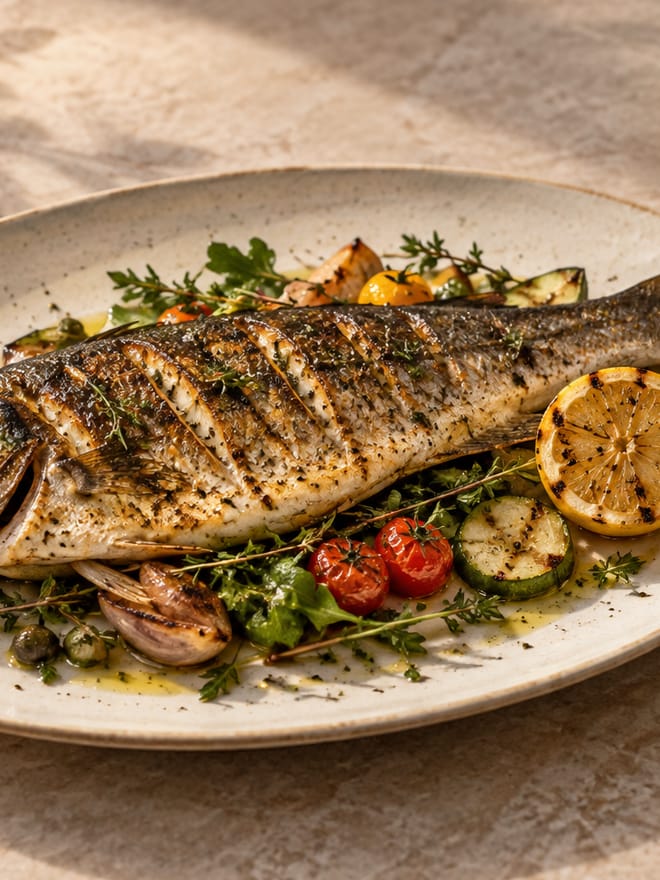
92%match
Grilled sea bass
Mediterranean
Why it fitsClean, sharp and off the grill — the shape your profile keeps choosing.

Paletra learns how you eat — your diet, your allergies, the cuisines you love, the tastes that suit you — and helps you discover dishes that actually fit.
Paletra app interface concept
What should I eat today?
92%match
Grilled sea bass
Mediterranean
Why it fitsClean, sharp and off the grill — the shape your profile keeps choosing.
Charred courgette, yoghurt, dill
84%Coming soon
Paletra is an upcoming mobile application. These are availability indicators, not download links.
The everyday problem
You scroll, you ask someone, you open the same three apps — and you order the same thing again. Not because there is nothing else. Because nothing on the list knows anything about you.
A few of the things you could eat tonight
Every app opens on a wall of options, and none of it is ordered for you.
“Popular nearby” is a ranking of other people’s appetites.
How you eat gets applied as a filter at the end, instead of shaping the list.
You still end up reading the ingredients yourself, every single time.
One person, one taste profile, one list — drawn from what you actually eat, avoid and enjoy.
Your taste profile
Paletra combines what you tell it into a picture of your taste. Every signal is optional, and every one changes what you see.
How you eat, day to day.
What has to be kept off your plate.
The kitchens you keep coming back to.
Sweet, sour, bitter, sharp, rich.
How adventurous you are with food.
An expressive extra signal. Entirely optional.
92%
Example match — illustrative, not live data.
Astro-gastronomy
Zodiac and personality signals are the most distinctive thing Paletra can add, and the least decisive. They are laid over your real food preferences as expression, never as evidence.
Layer by layer, starting from the ground
The ground everything rests on. Constraints, not preferences.
The kitchens you keep choosing.
Sweet, sour, bitter, sharp, rich.
Whether Paletra should nudge you or reassure you.
An expressive reading placed over everything above it. Optional, and always last.
What a reading sounds like
A leaning towards bold, high-contrast plates and long, slow cooking.
A description of character, added after everything else — not a prediction, and never a reason to override a constraint.
Personalized discovery
Paletra ranks dishes against your profile and says why each one is there. The percentage is the summary — the reason is the point.
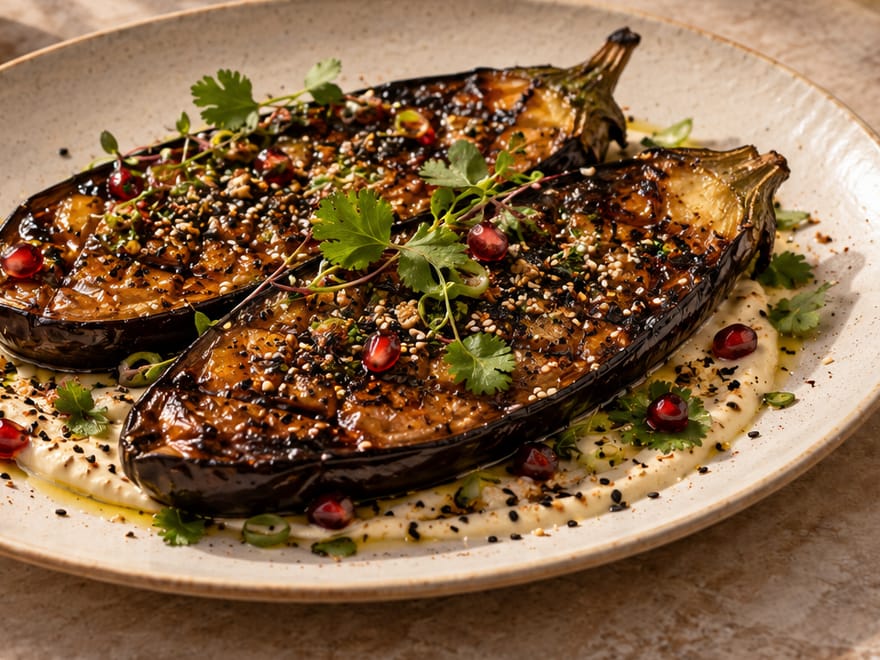
Japanese · Vegetarian
92%
Why it fits
Deep, savoury and meat-free — three things your profile keeps returning to.
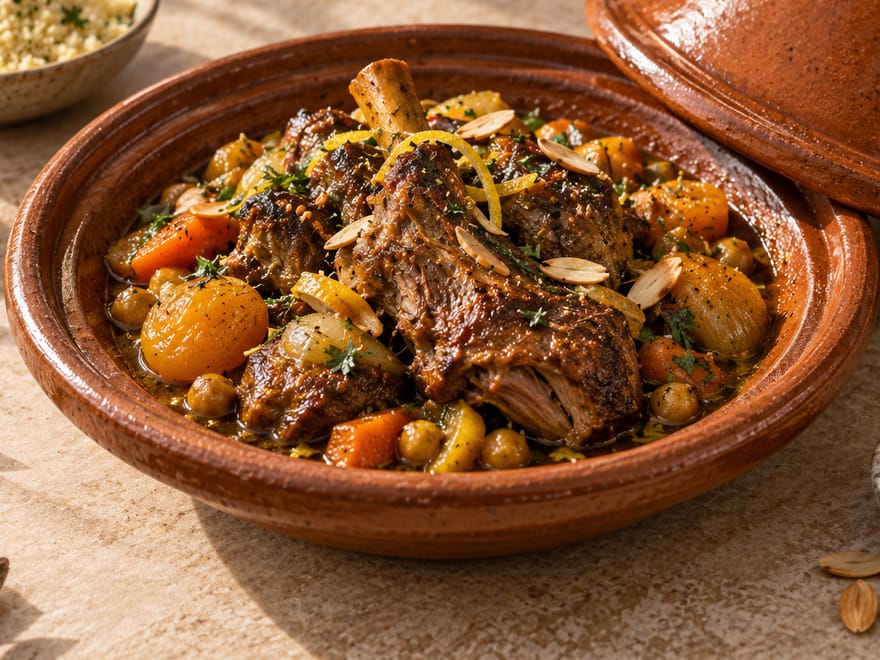
Moroccan
87%
Why it fits
Slow-cooked and sweet-savoury, from a cuisine you rate highly.
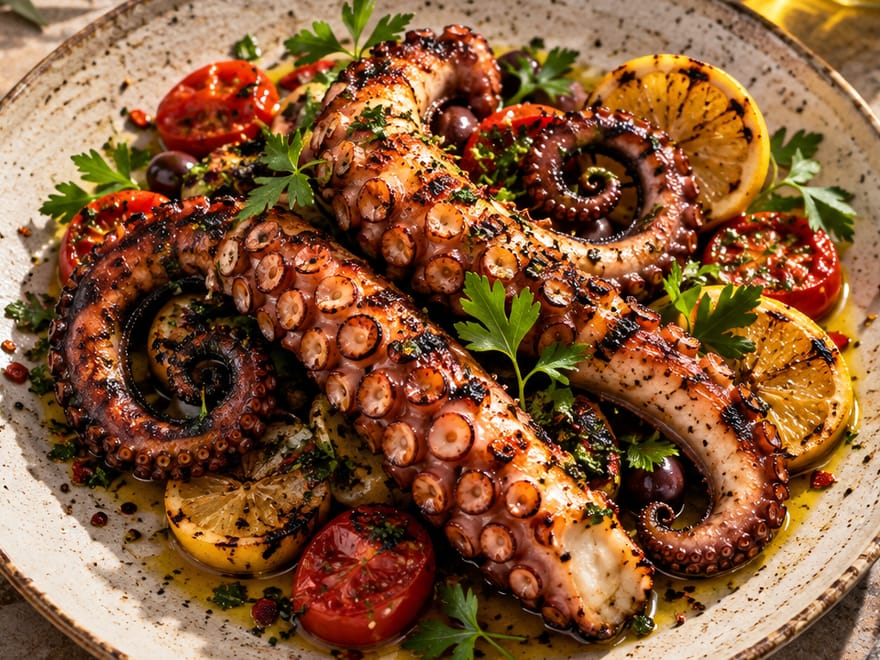
Aegean
78%
Why it fits
Sharper and more adventurous than your usual — a nudge, not a repeat.
Illustrative examples. Real matches come from a real profile; these dishes and numbers are not live data.
Diet and allergy awareness
Paletra is designed to treat what you cannot eat differently from what you would rather not. Where the information about a dish is complete enough to tell, known allergen and dietary conflicts are left out of what you are shown, instead of quietly moved further down the list.
This depends on how accurate and complete the available food information is. Paletra is not medical advice, and it does not replace reading a menu, asking the kitchen, or guidance from a professional.
Food intelligence
Paletra uses machine intelligence to read your signals, weigh them against each other and explain why a dish fits. It is a layer underneath the product. The part you actually see is a better reason.
None of this is a chat window. The measure of the layer is not how much it says, but how little you have to explain.
Your taste profile
Diet, allergies, cuisines, taste and personality become one profile instead of five filters.
The same dish sits in a different place on two different people’s lists.
Every match carries a plain-language explanation, not a score standing on its own.
Personalized discovery
92%
Match
Point a camera at a menu and read it through your own profile.
Reading a dish description well enough to catch what is actually in it.
Suggestions that account for the occasion, the company and the hour.
How it works
You answer a few questions once. Paletra turns them into a taste map, uses it to order what you see, and leaves the map in your hands.
Diet, allergies, the cuisines you love, the tastes that suit you — and the astro layer, if you want it.
Your answers become a single profile rather than a stack of filters applied one after another.
Dishes ordered against your profile, each one carrying the reason it is there.
Taste moves. The profile is yours to edit, and the astro layer can be switched off completely.
For restaurants
On the guest’s side, Paletra learns taste. On the restaurant’s side, that could one day mean understanding what different guests are actually looking for. This is a direction of travel, not a product you can sign up to.
A restaurant’s own page and menu, kept current by the restaurant itself.
A menu a guest opens at the table and sees through their own taste profile.
Which dishes suit which kinds of guest, in aggregate — never a file on an individual.
There are no restaurant partners, no reservations and no analytics customers today. When there is something to join, this section will say so plainly.
The horizon
A short list rather than a backlog. These are the ideas the taste map makes possible, and not one of them exists yet.
People whose taste map lines up with yours become a signal of their own.
Dishes a kitchen opens up only to the guests they would genuinely suit.
The shorter path from “that looks good” to the ingredients on your counter.
One table, five taste maps, and something everybody is glad about.

Paletra learns how you eat, and helps you find the dish that suits you — not the one that suits everybody.
Coming soon
Paletra is an upcoming mobile application. These are availability indicators, not download links.